Project Director: Rachael Callahan, UC Agriculture and Natural Resources
Situation: A vineyard owner in Southern California who had existing agritourism experience through an on-site tasting room, participated in the 2024 Agritourism Intensive to explore opportunities to expand their agritourism offerings. After completing the “Assessing Your Resources” worksheet (a course homework assignment), the producer decided to focus on developing a workshop series highlighting the local wildlife haven that they are nurturing on their sustainably managed winery. As a result of this workshop series, the producer became involved in local agritourism organizing and was invited to write an article for a local magazine on the business’s agritourism journey.
Outcome: During the course, the producer completed a mission and vision statement, completed a one-page business plan, and began developing a marketing plan. After the course, as outlined in their six-month action plan, the participant hosted 2 well-attended educational workshops on their farm, which resulted in income from ticket sales as well as on-site product sales.
Impact: This project provided risk management training to over 60 meaningfully engaged California farmers and ranchers.
Through presentations and educational materials, participants increased their knowledge of the risks involved with agritourism, as well as the opportunity to use agritourism as a risk management strategy. Participants were given the tools to address the risks and the space, structure, and motivation to develop their agritourism businesses while incorporating best practices in risk management. For some participants, the course provided insight into risk considerations that they had not previously considered. Some of these participants may decide that they are not prepared to take on the risk of developing an agritourism enterprise; this outcome is not a failure of the participant or the course, rather it is in line with project goal to provide information and resources so that participants can make informed decisions about if agritourism is right for their business, at this time, or not.
Supporting producers in developing safe and sustainably designed agritourism businesses is significant to food and agriculture from the producer perspective, as well as the consumer perspective. The direct beneficiary is the small-scale farmer that will have the opportunity to increase and/or diversify their revenue, and use agritourism as a production risk management strategy, to increase their overall farm viability. These agritourism operations will then go on to increase access to locally produced agricultural products, through on-farm sales, and educate the public about agriculture through agritourism activities (research shows that members of the public that visit agritourism farms indicate an increased intention to purchase locally grown products).
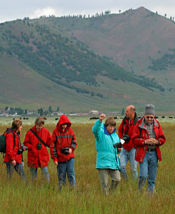
“Our first workshops were a success! I was really surprised by the great turnout. Thank you for encouraging me to charge a ticket price! I would not have had the confidence to charge, but people were happy to pay to attend the workshop. I am making good forward progress on my additional goals. Great class and opportunity – thank you!” — New and beginning forest owner from Pierce County